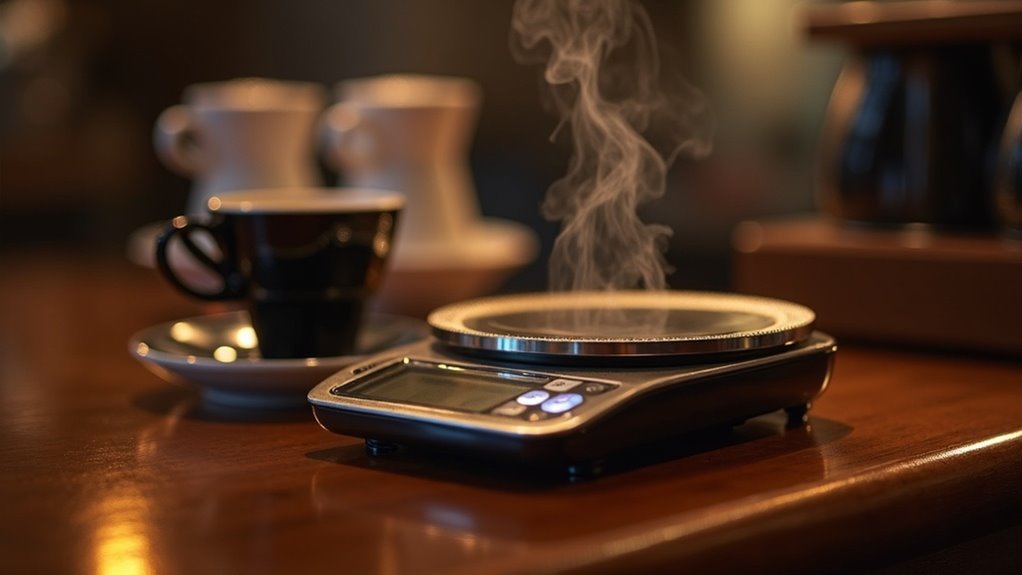
To brew the perfect cup of coffee, start by using a tailored coffee brewing checklist that covers all essential steps.
Customize it based on your preferences and brewing equipment, focusing on factors like grind size and water temperature.
Incorporate regular tasting sessions to maintain quality and consistency in flavor.
Monitor your brewing process and adjust your checklist as necessary to guarantee continuous improvement.
If you want tips on creating an effective brewing checklist and additional insights, there’s more ahead to explore.
Checklists for Sailors – Passage Planning and Maintenance

For coffee enthusiasts looking to streamline their brewing and maintenance tasks, the “Cleaning Protocol Checklist” is an essential tool that simplifies the process. This checklist, part of Kimberly Brown’s “Checklists for Coffee Lovers,” helps you stay organized and confident in your coffee-making journey. It covers everything from routine maintenance of your coffee equipment to emergency preparations for unexpected coffee cravings, ensuring you won’t overlook vital tasks. You can customize these lists to fit your specific coffee brewing experiences, whether you’re making a quick cup or preparing for a coffee tasting event. Using apps like Microsoft To Do can further enhance your efficiency, making it easier to track your progress and keep your coffee setup in top shape.
Best For: Coffee lovers seeking to enhance their organization and efficiency in brewing and maintenance tasks.
Pros:
- Checklists simplify the coffee experience by providing organized, easy-to-follow tasks.
- Customizable lists cater to various coffee scenarios, from daily brewing to special occasions.
- Integration with apps like Microsoft To Do improves task tracking and overall efficiency.
Cons:
- Users may require some time to personalize the checklists to meet their specific needs.
- Digital formats may not be ideal for those who prefer physical copies in their coffee area.
- Some coffee enthusiasts might find certain checklists overly detailed for their simpler brewing experiences.
Factors to Consider When Choosing Cleaning Protocol Checklists
When selecting coffee brewing protocol checklists, you should first consider their purpose and how they align with your specific coffee preferences. Think about customization options, the frequency of brewing tasks, and how well your team understands the coffee preparation methods. Additionally, factor in the coffee beans, brewing equipment, and any other supplies required to make the checklist effective for the perfect cup of coffee.
Purpose of Checklists
Choosing the right coffee brewing checklist is essential, as it guarantees you cover all necessary steps efficiently. Checklists serve as systematic guides, ensuring you complete every brewing task thoroughly. They greatly reduce the chances of missing critical steps by providing a clear format to follow. By using checklists, you enhance accountability, allowing you or your team to track progress and confirm the completion of each brewing step. This structured approach leads to improved consistency and quality in your coffee outcomes, directly contributing to higher satisfaction and flavor standards. Additionally, you can customize these checklists to fit specific brewing methods and preferences, ensuring their relevance and effectiveness in various situations. Embrace checklists for a more organized coffee brewing routine!
Customization Options Available
While customizing your coffee brewing process, it’s essential to take into account the specific beans and brewing methods you’re using. Prioritize brewing techniques based on flavor profiles, the type of coffee, or seasonal preferences to enhance your coffee experience. Consider adding personal notes or reminders to address unique brewing challenges or highlight areas that need extra attention, such as grind size or water temperature. You can choose between digital apps or printed guides, depending on what suits your brewing style best. Regularly updating and modifying your brewing checklist based on taste feedback or changing preferences keeps it effective and enjoyable. This adaptability ensures your coffee routine remains focused and satisfying, helping you achieve that perfect cup you desire. Tailoring these options makes your coffee experience truly yours.
Frequency of Cleaning Tasks
Establishing the right frequency for cleaning tasks in your coffee space is vital for maintaining a hygienic and inviting environment. A regular cleaning schedule, including daily, weekly, and monthly tasks, guarantees thorough maintenance of your coffee equipment and surroundings. Consider how often you brew coffee; high-traffic areas like the coffee station need more frequent cleaning than rarely used spots. Incorporating seasonal tasks like deep cleaning your coffee maker or decluttering your coffee supplies can boost the effectiveness of your routine. Research shows that consistent cleaning can reduce germ spread by up to 80%, making this frequency critical for health and safety, especially in a communal coffee area. Additionally, customize your cleaning frequency based on specific needs, such as having pets or allergies, to create a healthier atmosphere and enhance your coffee experience. Regularly assess and adjust your cleaning schedule to meet your coffee space’s demands.
Team Training Considerations
When it comes to team training in the coffee industry, understanding the specific factors that influence your brewing protocol checklist is essential for achieving effective results. Start by establishing clear objectives and expectations, so everyone knows their roles and responsibilities in the coffee-making process. Regular training sessions are vital, keeping your team updated on best practices for brewing and any protocol changes to enhance consistency and quality. Incorporate hands-on demonstrations to improve information retention and build confidence in executing tasks correctly, such as grinding beans and operating machines. Providing access to training materials like checklists and visual aids supports ongoing learning and serves as a handy reference for brewing techniques and coffee knowledge. Finally, assess team performance through periodic evaluations to identify areas for improvement and inform future training initiatives, ensuring your coffee brewing protocols remain effective and efficient.
Supplies and Equipment Needed
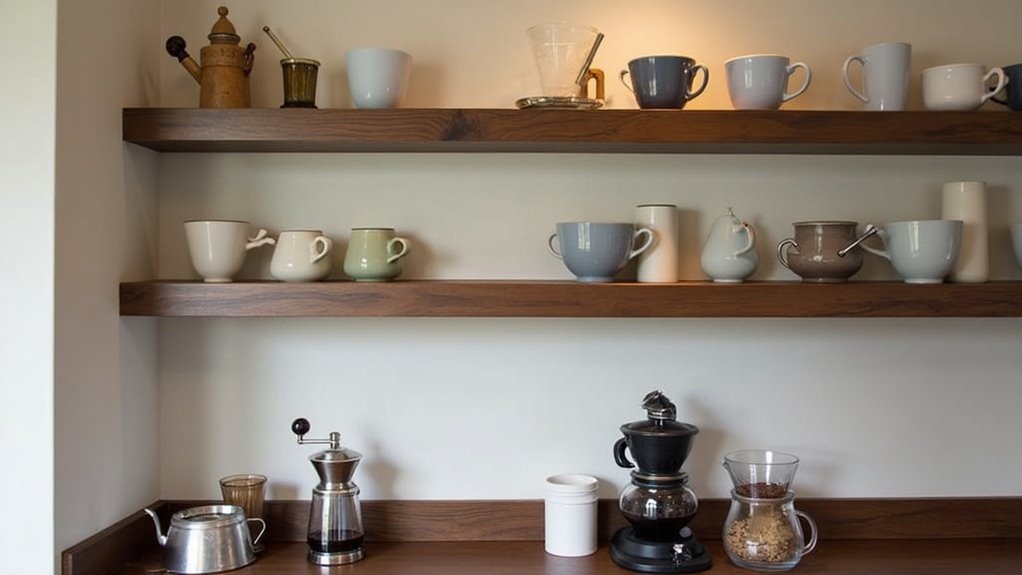
Choosing the right supplies and equipment is essential for brewing the perfect cup of coffee. First, consider the type of coffee you’ll be making, as different brewing methods may require specific tools to achieve the best flavor. You’ll want a variety of items like grinders, brewing devices, and measuring tools to tackle diverse coffee styles while maintaining quality standards. Don’t forget to include personal preferences, such as your choice of coffee beans and filters, to ensure a delightful experience. Assess if you need specialized equipment, like espresso machines or pour-over setups, based on your coffee-making goals and preferences. Finally, regularly review and update your coffee supplies to guarantee everything is in good condition and suitable for your brewing needs. Keeping your coffee toolkit sharp is key to achieving a delicious cup every time.
Compliance With Regulations
Having the right supplies and equipment sets the groundwork for effective coffee brewing protocols in any setting. Compliance with regulations is vital, as it involves understanding local, national, and international standards for food and beverage safety. These standards can vary by region and type of establishment, so you need to stay updated. Regularly updated checklists help guarantee your coffee brewing protocols align with the latest health and safety regulations, reducing the risk of violations and fines. Utilize guidelines from regulatory bodies like the FDA and local health departments to enhance your compliance. Documenting your adherence through checklists serves as evidence during inspections, confirming that proper brewing protocols have been consistently followed. Staying informed about regulatory changes is essential to avoid legal repercussions and protect your coffee shop’s reputation.
Monitoring and Improvements
To guarantee your coffee preparation protocols remain effective, it’s essential to regularly monitor their performance and make necessary improvements. Start by gathering feedback from customers and tracking performance metrics to pinpoint areas needing enhancement. Implement periodic reviews of your coffee brewing checklists to confirm they adapt to any changes in customer preferences or seasonal offerings. Utilizing data analytics can reveal consumption trends, helping you allocate resources more effectively and inform staff training. Establish a continuous feedback system from both baristas and customers to cultivate a culture of accountability. Finally, conduct regular audits based on your checklists to uncover any lapses in adherence, providing valuable insights for refining your coffee preparation protocols. This proactive approach ensures your coffee remains delicious and satisfying.