If you’re diving into the Third Wave coffee movement, here are seven must-read books for you:
“The Design of Coffee,”
“Making Better Coffee,”
“Spill the Beans,”
“Third Wave Water,”
“Craft Coffee,”
“The New Art of Coffee,”
and
“The World Atlas of Coffee.”
Each book offers unique insights into brewing techniques, cultural significance, and community impacts.
You’ll uncover the artistry behind every cup and gain invaluable knowledge that will transform your coffee experience.
Discover even more about this fascinating world of coffee.
The Design of Coffee: An Engineering Approach

If you’re a coffee enthusiast with an engineering mindset, “The Design of Coffee: An Engineering Approach” is an excellent resource for you. This book combines practical insights with essential engineering principles. Inside, you’ll discover interactive labs designed to help you differentiate between expertly brewed coffee and less successful attempts, greatly improving your brewing techniques. While it’s not a requirement for the ECM 01 course at UCD, sharing a copy can help reduce expenses. Just make sure to review the introductions before diving into the labs for a clearer understanding. Despite some feedback regarding depth, the knowledge shared within this book makes it a valuable addition to your coffee journey.
Best For: Coffee lovers with an engineering background who wish to refine their brewing skills through hands-on experience.
Pros:
- Interactive labs that enable readers to distinguish between expertly brewed and poorly brewed coffee.
- Offers important insights into coffee brewing while integrating essential engineering principles.
- Provides access to the author’s expertise and involvement in coffee-related initiatives.
Cons:
- Not required for the ECM 01 course, which may lead some readers to forgo it.
- Some feedback points to a lack of depth and clarity in certain areas.
- Grammar issues may render some sections difficult to comprehend.
Making Better Coffee: Maya Farmers and Third Wave Tastemakers

For coffee enthusiasts eager to deepen their understanding of the Third Wave coffee movement, “Making Better Coffee: Maya Farmers and Third Wave Tastemakers” is a must-read. This insightful book, authored by a seasoned expert with 12 years in the coffee industry, delves into the evolution of specialty coffee and its significant impact on farming communities. Readers will learn how Maya farmers create value in the market and how Third Wave tastemakers shape consumer preferences. The writing is accessible, making complex ideas easy to understand, while the exploration of community impacts enhances the connection between producers and consumers. Dive in and expand your coffee knowledge!
Best For: Coffee enthusiasts seeking to deepen their understanding of the Third Wave coffee movement and its effects on farming communities.
Pros:
- Comprehensive examination of specialty coffee history and its ties to farming communities.
- Clear and engaging writing style makes intricate concepts accessible to a broad audience.
- Valuable insights into how Maya farmers add market value and how Third Wave tastemakers influence consumer choices.
Cons:
- May contain too much detail for casual readers who are not deeply invested in coffee.
- The focus on specific regions (Maya farmers) might limit its relevance to a wider audience.
- Some readers may find the content lean more towards academic analysis rather than practical advice for everyday coffee brewing.
Spill the Beans: Global Coffee Culture and Recipes

“Spill the Beans: Global Coffee Culture and Recipes” is an excellent resource for coffee lovers eager to explore the intricate history and cultural significance of this beloved beverage. This book delves into everything from coffee terminology to its historical roots, allowing readers to immerse themselves in the diverse cultures that cherish coffee. Each recipe is thoughtfully presented within its cultural context, highlighting coffee’s importance in different societies. Additionally, it offers a balanced discussion on Fair Trade, exploring its implications for coffee production and trade. You’ll also discover insights into how climate change is impacting coffee cultivation. With gorgeous photography, this book is not only informative but also a stunning addition to your coffee table.
Best For: Coffee lovers and anyone interested in the cultural significance and history of coffee.
Pros:
- Comprehensive Exploration: Addresses a wide array of topics from terminology to global coffee culture.
- Cultural Context: Recipes are shared alongside their cultural significance, enriching the reader’s appreciation.
- Visual Appeal: Beautiful photography enhances the book’s aesthetic appeal.
Cons:
- Potentially Overwhelming: The extensive information may be too much for casual coffee drinkers.
- Limited Focus on Brewing Techniques: It may not delve deeply into brewing methods for each recipe.
- Price Point: The high-quality production might make it more expensive than typical coffee books.
Third Wave Water – Espresso Machine Profile, Five(5) Gallon Sticks

The Third Wave Water Espresso Machine Profile, featuring its innovative five-gallon sticks, is ideal for coffee lovers eager to enhance their espresso experience. Specifically designed for espresso machines, these sticks enrich flavor while safeguarding your boiler. Each stick generates up to 60 gallons of perfectly balanced water, guaranteeing consistent quality in every cup. Users appreciate the noticeable taste improvement and increased machine longevity, with an impressive 4.8-star rating. However, it’s important to note that caution is advised against potential scaling build-up. Elevate your brewing journey and indulge in a richer, more satisfying espresso today!
Best For: Coffee lovers seeking to improve the flavor of their espresso while ensuring the protection of their machines.
Pros:
- Boosts espresso flavor by reintroducing essential minerals to distilled water.
- Enhances machine longevity by minimizing potential damage from hard water.
- Convenient packaging allows for straightforward use, yielding up to 60 gallons of balanced water per stick.
Cons:
- Caution advised due to possible scaling build-up if not monitored closely.
- Initial investment is necessary for the sticks, which may not be ideal for casual coffee drinkers.
- Specifically tailored for espresso machines, rendering it less versatile for other brewing methods.
Craft Coffee: A Manual: Brewing a Better Cup at Home

Craft Coffee: A Manual: Brewing a Better Cup at Home is ideal for coffee lovers enthusiastic to elevate their brewing skills, whether you’re just starting or have some experience. This thorough guide dives into various immersion methods like Chemex and Hario V60, while presenting an 8-minute French Press technique. The author’s clear writing and practical tips make it accessible, ensuring you grasp essential coffee concepts, from origin to brewing methods. Readers appreciate the organized structure and in-depth information, helping them troubleshoot common issues and deepen their coffee appreciation. Overall, it’s a must-read for anyone looking to enhance their home brewing.
Best For: Coffee lovers looking to enhance their brewing skills, whether they are beginners or have some experience.
Pros:
- Provides comprehensive coverage of various brewing methods and techniques.
- Offers clear writing and practical tips, making complex concepts accessible.
- Helps readers troubleshoot common brewing issues and deepen their appreciation for coffee.
Cons:
- Lacks color graphics, which could enhance the visual experience.
- Contains minor typos that may distract some readers.
- May be too detailed for those seeking a more straightforward guide.
The New Art of Coffee: From Morning Cup to Caffeine Cocktail

For anyone passionate about coffee and eager to enhance their brewing skills, “The New Art of Coffee: From Morning Cup to Caffeine Cocktail” is a must-read. This visually captivating guide transforms coffee into an art form and sparks creativity. The book is divided into three parts: it begins with the rich history of the coffee bar, transitions into innovative flavors and caffeine cocktails, and wraps up with artistic recipes. With stunning photographs and a user-friendly format, navigating through the content is a delightful experience. Whether you’re a coffee lover or a bartender, this book empowers you to explore and elevate your coffee journey one sip at a time.
Best For: Coffee enthusiasts and bartenders seeking to refine their brewing techniques and play with innovative coffee concoctions.
Pros:
- Visually captivating design with inspiring photography that enriches the reading experience.
- Creative recipes that encourage experimentation with coffee beyond traditional methods.
- Intuitive layout makes it simple to explore and try various techniques and flavors.
Cons:
- Some ingredients may be challenging to find, which could limit the ability to execute certain recipes.
- Certain sections might feel less comprehensive for readers looking for an in-depth exploration of coffee history.
- May not be ideal for complete beginners who need more basic coffee brewing knowledge before tackling advanced creations.
The World Atlas of Coffee: From Beans to Brewing
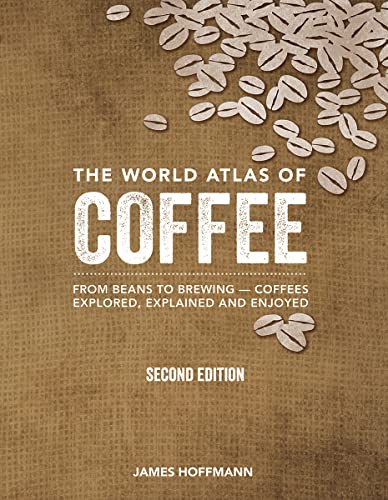
Coffee enthusiasts seeking a deeper understanding of their favorite beverage will find “The World Atlas of Coffee: From Beans to Brewing” an invaluable resource. This beautifully presented book combines high-quality photography with extensive research, making it a stunning addition to any coffee lover’s collection. You’ll explore coffee origins, brewing methods, and the nuances of various regions. Many readers appreciate its practical insights for setting up home coffee bars and deepening their coffee experience. Whether you choose the hardcover or more affordable Kindle edition, this classic is a perfect gift and a must-read for anyone curious about coffee’s global journey.
Best For: Coffee enthusiasts looking to deepen their knowledge and appreciation of coffee through a beautifully presented and informative resource.
Pros:
- Beautiful presentation with high-quality photography, making it an attractive coffee table book.
- Well-researched content that provides valuable insights into coffee origins, brewing methods, and flavor profiles from various regions.
- Practical tips for setting up home coffee bars and enhancing the overall coffee experience.
Cons:
- The hardcover version can be expensive, which may limit accessibility for some readers.
- Proficiency in English is necessary to fully appreciate the content, as there is no French version available.
- While enjoyable, it may not cater to those looking for in-depth technical brewing methods or scientific studies on coffee.
Factors to Consider When Choosing Third Wave Coffee Movement Books
When selecting books on the Third Wave Coffee Movement, it’s essential to consider the author’s expertise and background to ensure credibility in the world of coffee. Additionally, pay attention to how clearly and thoroughly the content is presented, as clarity and depth are crucial for understanding this complex movement. Look for books that include practical brewing techniques and are visually appealing, as these elements can significantly enhance your overall coffee experience.
Author’s Expertise and Background
Choosing books on the Third Wave Coffee Movement requires careful consideration of the author’s expertise and background, as their experience can deeply enrich your understanding of specialty coffee. Look for authors with extensive industry experience; their knowledge of coffee’s history and impact is invaluable. An author with a strong background in coffee farming or direct relationships with producers can enhance your grasp of value creation in the specialty coffee market. Evaluate how well the author connects coffee culture with practical brewing techniques, indicating a thorough approach. Additionally, consider whether the author is involved in community initiatives, reflecting their commitment to the coffee industry. Finally, pay attention to their writing style—accessible language and engaging storytelling can greatly enhance your learning experience.
Content Depth and Clarity
To truly grasp the intricacies of the Third Wave Coffee Movement, it’s essential to explore literature that strikes a balance between depth and clarity. Seek out books that effectively articulate the origins of coffee, various brewing techniques, and distinct flavor profiles, ensuring that you understand the fundamental concepts. Comprehensive content is vital; for instance, titles like “Craft Coffee: A Manual” offer in-depth insights into diverse brewing methods and the science behind coffee, whereas some alternatives may lack this thoroughness. Moreover, clarity in writing is paramount; steer clear of texts riddled with grammatical errors or unnecessarily complex language that might obscure understanding. Engaging narratives can transform complex subjects into relatable content, enriching your learning experience. Lastly, practical tips and step-by-step guides will significantly enhance your brewing skills and deepen your appreciation for coffee, ultimately adding substantial value to your reading journey.
Cultural Context and Relevance
As you explore the world of coffee through the lens of the Third Wave Coffee Movement, consider how cultural context enhances your understanding of coffee’s significance across different societies. Recognizing coffee’s role in various cultures allows you to appreciate its deeper meaning beyond just a beverage. Look for resources that discuss the evolution of specialty coffee, linking farming communities to modern coffee culture while highlighting the importance of fair trade and ethical sourcing practices. Additionally, literature that delves into coffee’s history can illuminate its cultural roots and transformations over time. Gaining insight into the impacts of coffee production on local communities reveals the intricate relationship between producers and consumers, shedding light on market dynamics. Lastly, consider works that address environmental concerns associated with coffee cultivation, as they underscore the broader implications for ecosystems and the communities that rely on them.
Practical Brewing Techniques
When exploring practical brewing techniques within the Third Wave Coffee Movement, it’s essential to consider various elements that can enhance your coffee experience. Focus on immersion methods like French Press, Chemex, and Hario V60, which allow you to control brewing time and water temperature for optimal flavor extraction. Understanding coffee origins and bean types, especially the distinctions between Arabica and Robusta, is crucial for selecting the perfect coffee. Proper preparation techniques, including washing methods, significantly impact the final taste, so always prioritize high-quality beans. Don’t forget to troubleshoot common issues, such as grind size and water-to-coffee ratio, to achieve the ideal flavor profile. Lastly, embracing craft coffee culture helps foster respect for grower relationships and ensures ethical sourcing practices.
Visual Appeal and Design
While exploring books on the Third Wave Coffee Movement, you’ll quickly discover that visual appeal and design significantly enhance your coffee journey. High-quality photography and engaging layouts deepen your appreciation for coffee culture. Books like *The New Art of Coffee* not only captivate coffee enthusiasts with their vibrant colors but also serve as stunning coffee table pieces. An aesthetically pleasing presentation makes these books perfect gifts for fellow coffee lovers. Well-organized layouts facilitate easy navigation through content, allowing you to absorb valuable information about coffee origins, brewing techniques, and recipes. Thoughtful typography and page design further enrich your experience, making learning about coffee immersive and enjoyable. Choose wisely, and let the visuals elevate your passion for coffee!
Accessibility and Readability
Visual appeal enhances the enjoyment of coffee books, but accessibility and readability are just as important in your selection process. Look for books that use clear, engaging language, avoiding complex jargon. Titles like “Making Better Coffee” offer a friendly exploration into specialty coffee history, while “The World Atlas of Coffee” serves as a well-researched reference for both beginners and enthusiasts. Reader feedback indicates that practical advice and step-by-step guides significantly enhance your understanding of brewing techniques. Stunning photography and quality layouts in books like “The New Art of Coffee” can also make a difference. Finally, consider availability in various formats; digital editions often provide a more affordable option, making it easier to dive into the world of coffee.