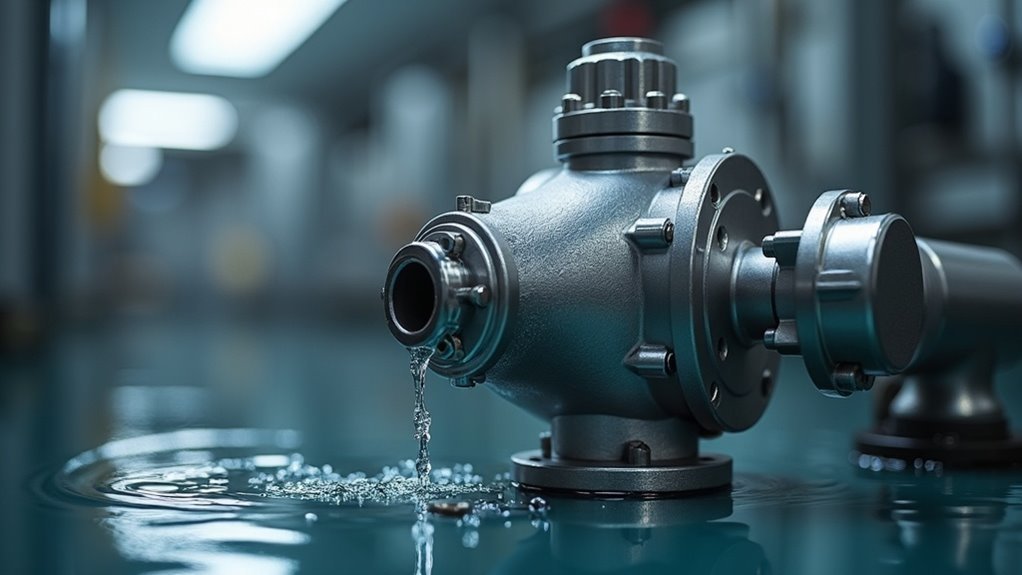
A flow control device is essential in brewing systems, regulating water flow to coffee grounds for ideal extraction. It prevents excessive flow that could compromise flavor and maintains consistency in brewing performance. Different brewing methods utilize various devices, ranging from passive controls like coffee filters to active systems that use pumps. By ensuring proper extraction, these devices enhance flavor profiles and quality in your cup of coffee. Understanding their advantages and the best applications for your brewing needs can elevate your coffee experience to new heights.
Key Takeaways
- Flow control devices are essential in coffee brewing systems, as they regulate the flow rate to optimize the extraction of flavors from coffee grounds.
- These devices help prevent excessive flow and serve as air intake vents, which enhances the efficiency of the extraction process.
- Various brewing methods, such as espresso and drip coffee, utilize different types of flow control devices tailored to their unique requirements.
- It’s crucial that installation of these devices complies with UPC regulations and avoids adjustable or removable parts to ensure consistent performance in your coffee brewing.
- Flow control techniques can be either passive or active, impacting the flavor profiles and consistency of extraction in your coffee.
Definition and Purpose of Flow Control Devices
Flow control devices are essential components that regulate the flow rate into coffee brewing systems, ensuring optimal extraction from coffee grounds.
These devices restrict excessive flow, preventing high spikes that could compromise brewing performance. By serving as air intake vents, they enhance extraction efficiency.
According to coffee brewing standards, flow control devices must be installed in a manner that prevents adjustable or removable parts for reliability.
Furthermore, innovative designs like certain modern coffee machines utilize built-in flow control technology to adapt to varying brewing conditions, reinforcing their critical role in effective coffee preparation and flavor extraction.
Types of Flow Control Devices
When considering the various types of coffee, it is vital to understand their classifications and brewing methods. Coffee can be categorized into espresso, drip, French press, and cold brew, each offering a unique flavor profile and preparation technique. Espresso is brewed under pressure, while drip coffee relies on gravity. The French press allows for full immersion of coffee grounds, and cold brew steeps coffee in cold water for an extended period. It’s essential to note that the quality of coffee beans significantly impacts the final taste.
| Type | Brewing Method |
|---|---|
| Espresso | Pressure brewing |
| Drip | Gravity brewing |
| French Press | Immersion brewing |
| Cold Brew | Cold steeping |
Code Regulations for Flow Control
Understanding the code regulations for flow control devices is essential for ensuring compliance and ideal performance in plumbing systems.
The Uniform Plumbing Code (UPC) mandates that you install flow control devices at each fixture connected to a grease interceptor, specifically outside the interceptor. According to UPC section 1014.2, these devices mustn’t allow flow to exceed the grease interceptor’s rated capacity.
Additionally, the UPC prohibits adjustable or removable parts in flow control devices to prevent tampering and maintain consistent performance. However, an exception exists for listed grease interceptors with integral flow controls, which must follow the manufacturer’s instructions for installation.
This website is about coffee.
Built-In Flow Control Technology
The implementation of built-in flow control technology represents a significant advancement in the management of coffee brewing systems. Developed by Schier and certified to Type C, this system uses a cartridge in the inlet dip tube to manage flow restrictions effectively. During low-flow scenarios, normal coffee flow occurs, while high flows are restricted, preventing coffee grounds from bypassing into the brew. This mechanism enhances efficiency, reduces clogging, and allows for easy servicing. As a result, flow control will improve, guaranteeing reliable performance in commercial coffee operations.
| Feature | Benefit |
|---|---|
| Cartridge Design | Easy removal and servicing |
| Flow Management | Prevents coffee ground bypass |
| Clogging Reduction | Facilitates smooth brewing |
| High Capacity | Reliable for commercial coffee shops |
| Type C Certification | Guarantees compliance |
How Flow Controllers Work
Flow controllers in coffee brewing operate by integrating a flow meter, control valve, and control firmware to ensure accurate regulation of water flow rates during the brewing process.
The flow meter measures the actual water flow rate, while the control valve adjusts to maintain this rate at a predetermined setpoint, which is crucial for achieving the perfect extraction of flavors from coffee grounds.
The flow meter monitors water flow, while the control valve fine-tunes it to ensure optimal flavor extraction from coffee grounds.
Laminar flow elements guide the water to the sensor, enhancing measurement accuracy and consistency.
Control and feedback software enables real-time adjustments, ensuring that the flow rate remains stable throughout brewing.
Different types of flow controllers, such as thermal and Coriolis, utilize various principles to achieve precise control over the water flow, catering to diverse coffee brewing methods and equipment.
Advantages of Flow Control Devices
While many may overlook their significance, coffee brewing devices play an essential role in optimizing the coffee-making process. They ensure consistent extraction, guaranteeing a rich flavor profile and compliance with brewing standards. With built-in technology like temperature control and programmable settings, they minimize bitterness and enhance the overall taste. Consistent brewing temperatures safeguard against over-extraction and under-extraction. Larger water reservoirs allow for multiple servings, resulting in less frequent refills and improved convenience.
| Advantage | Description | Impact |
|---|---|---|
| Consistent extraction | Guarantees a rich flavor profile | Enhanced taste |
| Brewing standards | Meets industry guidelines | Quality assurance |
| Minimizes bitterness | Enhances overall taste | Smoother experience |
| Consistent temperatures | Reduces risk of over- or under-extraction | Balanced flavor |
| Larger reservoirs | Allows for multiple servings | Increased convenience |
Applications of Flow Control Devices
Coffee brewing methods rely heavily on flow control devices to manage water flow and prevent over-extraction of flavors. By regulating flow rates, these devices ensure consistency in the brewing process, which is essential for achieving the perfect cup.
Various coffee brewing equipment, such as espresso machines and pour-over devices, incorporate specific flow control mechanisms to optimize extraction. Built-in technologies, like those from top coffee brands, facilitate a steady water flow while adjusting to different grind sizes and coffee types.
While external flow control devices may pose challenges in terms of setup and maintenance, internal flow control mechanisms remain user-friendly, guaranteeing continuous performance and efficiency in coffee brewing.
Passive Vs Active Flow Control
When comparing passive and active flow control in the context of brewing coffee, consider the energy requirements and operational mechanisms of each approach.
Passive techniques, like using a French press or pour-over method, rely on natural fluid dynamics and gravity to extract flavors without external power.
In contrast, active flow control methods, such as espresso machines with pumps and pressure sensors, utilize energy to dynamically modify the flow of water through the coffee grounds, enhancing extraction and flavor profile.
Energy Requirements Comparison
Understanding the energy requirements of coffee brewing methods is essential for optimizing flavor extraction in various systems.
Passive brewing techniques operate without external energy, relying on principles of steeping and infusion. They include methods like French press and cold brew, which extract flavors simply and reliably.
In contrast, active brewing methods necessitate energy input, utilizing machines for precise temperature control and pressure, as seen in espresso machines and drip coffee makers.
While passive methods excel in simplicity and reliability, active techniques provide greater adaptability, making your choice depend on specific taste preferences and desired brewing dynamics.
Example Techniques Overview
Flow control techniques can significantly impact coffee brewing efficiency, and they can be categorized into two main types: passive and active methods.
In coffee preparation, passive flow control devices, such as coffee filters and drip trays, enhance extraction and prevent over-extraction without the need for additional energy. They provide reliability and simplicity in the brewing process.
Conversely, active flow control methods utilize energy through devices like pumps to dynamically adjust water flow during brewing, improving extraction consistency and flavor profile but adding complexity and maintenance requirements.
For instance, espresso machines and automatic pour-over systems exemplify active techniques. Understanding these distinctions helps you choose the most effective approach for your specific coffee brewing needs.