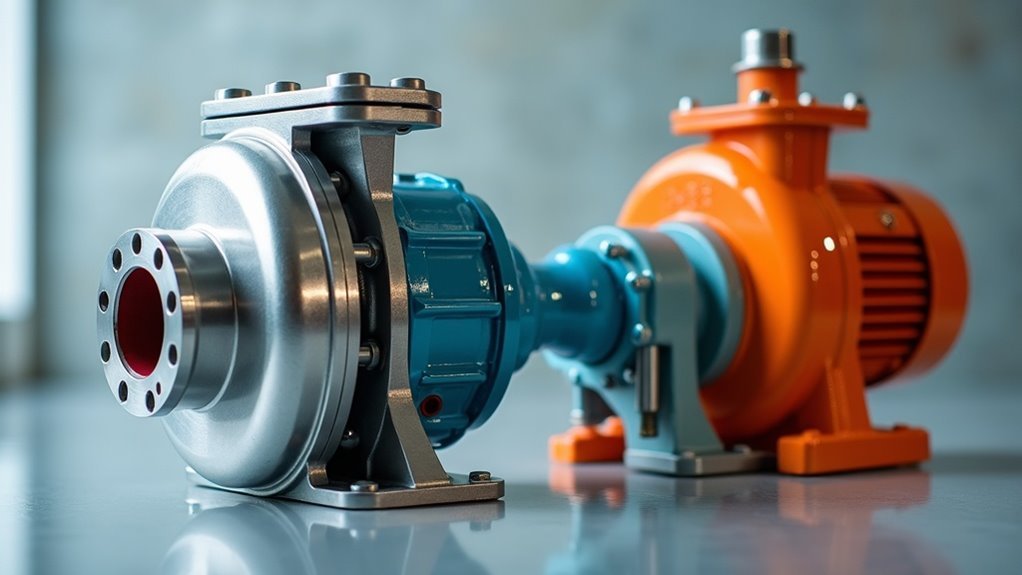
A rotary pump provides consistent, high pressure for espresso machines, achieving over 8 bar almost instantly and maintaining uniform extraction quality, which is essential for brewing a perfect cup of coffee. In contrast, a vibratory pump generates pulsating pressure, which can lead to variations in shot quality due to its less stable performance. While rotary pumps are quieter and more durable, making them ideal for coffee enthusiasts who value reliability, vibratory pumps are more compact and budget-friendly, appealing to those looking for cost-effective options. Understanding these differences can help you decide which pump suits your espresso-making needs best, allowing you to enjoy your coffee experience to the fullest.
Key Takeaways
- Rotary pumps generate consistent pressure over 8 bar immediately, making them ideal for espresso enthusiasts who seek precision in their brew. In contrast, vibratory pumps start at around 2 bar and take longer to build pressure, which can affect the quality of the extraction.
- Rotary pumps maintain uniform extraction and produce stable crema, ensuring that each cup of coffee has the rich flavor and texture desired by coffee aficionados. On the other hand, vibratory pumps may lead to shot quality variations due to pressure fluctuations, resulting in inconsistent coffee experiences.
- Operating quietly with minimal vibration, rotary pumps enhance the brewing experience without disrupting the ambiance of your coffee shop or home café. In comparison, vibratory pumps create a buzzing noise due to rapid piston movements, which can be less appealing to users.
- With proper maintenance, rotary pumps can have a longer lifespan of over 10 years, providing coffee lovers with a reliable brewing solution for years to come. In contrast, vibratory pumps typically last around 5-6 years, which may require more frequent replacements for avid coffee drinkers.
- While rotary pumps may have a higher initial cost, their ability to handle high brewing volumes makes them a worthwhile investment for cafés and frequent users who demand quality and consistency in every cup of coffee.
Understanding Espresso Machine Pumps
When you explore the world of espresso machines, understanding the pumps is essential since they directly influence the quality of your brew.
Espresso machines primarily utilize rotary pumps and vibratory pumps. Rotary pumps generate consistent pressure through a rotating mechanism, ensuring stable extraction and rich crema, which enhances the overall coffee experience.
In contrast, vibratory pumps create intermittent pressure via an electromagnetic coil, leading to potential fluctuations in shot quality that can affect the flavor profile of your coffee.
While rotary pumps can achieve over 8 bar pressure almost immediately, vibratory pumps start at around 2 bar and take longer to build pressure.
Choosing the right pump significantly impacts your enjoyment of coffee.
Key Differences Between Rotary and Vibratory Pumps
Understanding the distinctions between rotary and vibratory pumps is essential for selecting the right espresso machine for your coffee needs.
Rotary pumps generate consistent, steady pressure, ensuring a smooth flow ideal for high-volume coffee production. In contrast, vibratory pumps create pulsating pressure, which can lead to fluctuations during extraction.
While rotary pumps operate quietly and have a longer lifespan, vibratory pumps are compact and lightweight but may produce more noise and have a shorter operational life.
For coffee quality, rotary pumps excel by maintaining stable pressure throughout brewing, leading to better extraction and crema compared to the variable pressure of vibratory pumps.
Performance Characteristics of Each Pump Type
While both rotary and vibratory pumps serve the purpose of delivering water for espresso extraction, their performance characteristics markedly differ with respect to pressure consistency and extraction quality.
- Rotary pumps maintain consistent brew pressure, ensuring uniform extraction quality, which is critical for achieving the perfect espresso.
- Vibratory pumps produce pulsating pressure, leading to potential variations in shot quality that may affect the overall taste of your coffee.
- Rotary pumps excel in pre-infusion and handle high water volumes, making them ideal for commercial coffee setups.
In contrast, vibratory pumps are best suited for home espresso machines with lower flow requirements.
Ultimately, if you’re seeking superior espresso quality and a rich coffee experience, rotary pumps are the more reliable choice.
Noise Levels: Which Pump Is Quieter?
How do noise levels compare between rotary and vibratory coffee pumps? Rotary pumps operate quietly due to their smooth motion, generating less vibration and noise. In contrast, vibratory pumps create more noise from their rapid piston movements, typically oscillating at 50-60 Hz, leading to a noticeable buzzing sound. Coffee enthusiasts often experience a significant reduction in noise when switching to rotary pumps, enhancing their overall brewing experience, especially in cafés and commercial settings.
| Pump Type | Noise Level | User Experience |
|---|---|---|
| Rotary Pumps | Low | Improved |
| Vibratory Pumps | High | Potentially Disturbing |
Durability and Longevity Comparison
When comparing durability and longevity in coffee brewing equipment, rotary pumps typically outlast vibratory pumps, often exceeding a decade with proper upkeep.
The robust materials used in rotary pumps enhance their reliability, making them ideal for consistent coffee preparation.
In contrast, vibratory pumps may require more frequent maintenance and replacement, leading to higher long-term costs.
Understanding these factors can greatly impact your decision on which pump to invest in for your specific coffee brewing needs.
Lifespan Comparison
Although both rotary and vibratory pumps serve essential roles in various coffee brewing applications, their lifespans reveal significant differences in durability and longevity.
- Rotary pumps often last over 10 years with proper maintenance, indicating higher durability, which is especially beneficial for commercial coffee machines.
- Vibratory pumps typically have a lifespan of 5 to 6 years, resulting in more frequent replacements, which can disrupt coffee service.
- The robust materials used in rotary pumps contribute to their extended longevity compared to the lighter design of vibratory pumps, ensuring consistent performance for coffee enthusiasts.
Investing in rotary pumps often leads to higher reliability and satisfaction, particularly in coffee shops and commercial settings, where minimizing downtime is vital for serving quality brews.
Maintenance Needs
While both rotary and vibratory pumps are essential for coffee machines to ensure optimal brewing performance, the complexity and frequency of maintenance needs differ significantly between the two.
Rotary pumps are known for their durability and longevity, often outlasting vibratory pumps thanks to their robust design. With proper maintenance, rotary pumps can notably extend their lifespan, while vibratory pumps typically last around 5-6 years before needing replacement.
Maintenance on rotary pumps involves intricate mechanical components, which can make upkeep more involved. On the other hand, vibratory pumps are simpler and less costly to replace.
Coffee enthusiasts often report greater satisfaction with the reliability of rotary pumps, highlighting fewer performance issues compared to vibratory pumps, which tend to require more regular maintenance to ensure a perfect brew.
Reliability Factors
The reliability of a pump is crucial for the performance and user satisfaction of coffee machines. When comparing rotary pumps to vibratory pumps, it’s important to consider these factors:
- Lifespan: Rotary pumps typically have a longer lifespan than vibratory pumps, which generally last around 5-6 years.
- Durability: Rotary pumps are constructed with more robust materials, making them better suited to handle high-volume brewing.
- Maintenance: Although rotary pumps require more intricate maintenance, they offer greater longevity and more consistent performance over time.
In summary, if you’re prioritizing reliability and durability in your coffee machine, rotary pumps stand out as the better option.
On the other hand, vibratory pumps may be adequate for occasional coffee drinkers but tend to underperform in the long run.
Brewing Quality: Impact on Espresso Extraction
When evaluating brewing quality in coffee, the type of pump you choose plays a crucial role in espresso extraction. Rotary pumps provide consistent water pressure, ensuring uniform extraction and richer flavors. Conversely, vibratory pumps can cause pressure fluctuations, leading to uneven extraction and a thinner taste. The difference in crema stability and quality is notable, with rotary pumps producing darker, more stable crema. Here’s a quick comparison:
| Feature | Rotary Pumps | Vibratory Pumps |
|---|---|---|
| Pressure Stability | High | Low |
| Extraction Uniformity | Consistent | Variable |
| Crema Quality | Dark, stable | Light, fading |
Choosing the right pump can significantly influence your coffee experience, enhancing both flavor and presentation.
Cost and Maintenance Considerations
When considering cost and maintenance in coffee equipment, you’ll find that rotary espresso machines often come with a higher price tag due to their complex design.
Although they offer durability and precision in brewing, their maintenance can be intricate and costly.
In contrast, simpler coffee makers, like drip or pour-over systems, are more budget-friendly and easier to replace, making them appealing for users who prioritize convenience and simplicity in their coffee-making experience.
Price Comparison
Choosing between rotary and vibratory coffee pumps involves weighing initial costs against long-term maintenance expenses.
- Rotary coffee pumps typically have a higher initial cost, often around $600 more than vibratory pumps.
- Maintenance for rotary pumps is complex and pricier, while vibratory pumps are easier and cheaper to replace.
Despite the upfront expense, rotary pumps offer reliability and durability, potentially outlasting vibratory pumps, which last about 5-6 years.
In environments prioritizing noise reduction and consistent brewing performance, the price comparison may favor rotary coffee pumps, justifying their higher initial cost for serious coffee enthusiasts over budget-friendly vibratory options.
Maintenance Requirements
While rotary coffee grinders offer superior longevity and reliability, their maintenance requirements are considerably more complex than those of vibratory grinders. Rotary grinders often necessitate professional servicing to ensure peak performance, whereas vibratory grinders can be managed with basic DIY skills. Here’s a quick comparison:
| Grinder Type | Lifespan | Maintenance Complexity |
|---|---|---|
| Rotary Grinders | 10+ years | High |
| Vibratory Grinders | 5-6 years | Low |
Ultimately, while rotary grinders may incur higher costs, their long-term reliability justifies the maintenance investment compared to vibratory grinders.
Choosing the Right Pump for Your Needs
How can you determine the best pump for your espresso needs? Start by evaluating your specific requirements, including budget, space, and brewing volume.
Evaluate your budget, space, and brewing volume to find the perfect pump for your espresso needs.
Consider these factors:
- Pump Type: Rotary pumps provide consistent pressure and quality, making them ideal for serious coffee enthusiasts; vibratory pumps are more compact and budget-friendly.
- Noise Levels: Rotary pumps operate quietly, allowing for a more serene brewing experience; vibratory pumps can be noisy during operation.
- Brewing Volume: Rotary pumps efficiently handle high volumes, making them suitable for frequent brewing, whereas vibratory pumps may struggle with multiple sessions.
Taking these factors into account will help you choose the right pump for your coffee-making needs.